
Ruben Gamon
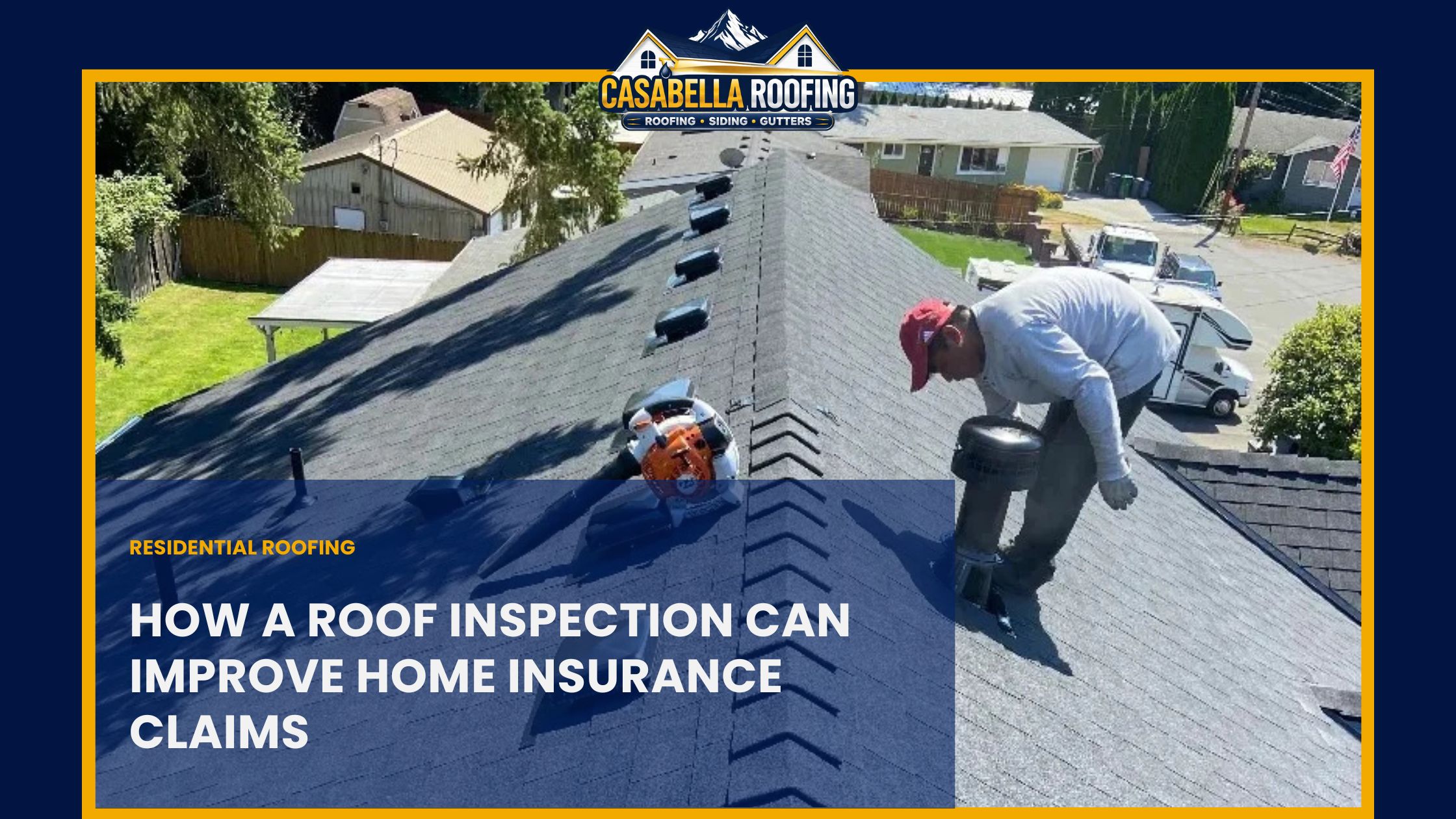
A Roof Inspection Insurance Claims process plays a critical role when homeowners experience storm damage, hail impacts, wind-related issues, falling debris, or other unexpected roofing problems. While many homeowners focus solely on filing an insurance claim after a storm, a professional roof inspection often serves as the foundation for a successful outcome. Without it, important details may be missed, and claims may not fully reflect the actual extent of damage.
A proper Roof Inspection Insurance Claims approach ensures that every part of the roofing system is carefully evaluated before any claim is submitted. This includes shingles, flashing, gutters, underlayment, ventilation systems, and structural components that may not show visible damage at first glance.
Insurance companies require accurate documentation and evidence before approving roofing claims. A detailed inspection provides the necessary proof to demonstrate damage, validate repair requirements, and support claim approval. Without a proper Insurance Claims evaluation, homeowners risk underpayment, delays, or even claim denial due to insufficient evidence.
Understanding how a Roof Inspection Insurance Claims process works helps homeowners protect their investment, improve communication with insurance providers, and ensure they receive fair compensation for covered damages.
Why Roof Inspections Matter for Insurance Claims
The purpose of a Roof Inspection Insurance Claims process is to accurately identify, document, and assess damage following a storm or unexpected event.
Insurance adjusters rely heavily on evidence when reviewing claims. A professional inspection helps support all critical evaluation points, including:
- Cause of damage
- Extent of damage
- Repair requirements
- Replacement needs
- Policy coverage eligibility
- Overall roof condition
A properly documented Roof Inspection Insurance Claims report creates an objective record of the roof’s condition. This removes guesswork and provides a clear foundation for claim evaluation.
When damage is thoroughly documented through a Insurance Claims process, homeowners typically experience smoother communication, faster claim resolution, and fewer disputes with insurance companies.
Identifying Hidden Storm Damage
Many roofing problems are not visible from the ground. This is where a Roof Inspection Insurance Claims evaluation becomes essential.
Hidden issues may include:
- Lifted shingles that are still attached
- Creased or weakened shingles
- Hail impact marks that compromise material integrity
- Damaged flashing around roof penetrations
- Underlayment deterioration
- Water intrusion beneath surface layers
- Soft or weakened decking
- Ventilation damage
A professional Roof Inspection Insurance Claims assessment helps uncover these hidden problems before they develop into major structural issues.
Without a proper inspection, homeowners may unknowingly submit incomplete claims. This can result in uncovered repairs or future denial when hidden damage becomes more severe over time.
A detailed Roof Inspection Insurance Claims process ensures no damage is overlooked.
Providing Detailed Documentation
Documentation is one of the most important elements of any insurance claim. A strong Roof Inspection Insurance Claims report provides the evidence insurance companies need.
Professional inspections typically include:
- High-resolution photographs of damage
- Written inspection reports
- Roof condition summaries
- Repair recommendations
- Replacement evaluations
- Material condition analysis
- Storm impact assessments
This documentation strengthens the validity of a Roof Inspection Insurance Claims submission and supports communication with insurance adjusters.
A well-documented Roof Inspection Insurance Claims file helps eliminate confusion and ensures all parties are working with accurate information.
Establishing the Cause of Damage
Insurance companies must determine the cause of damage before approving claims. A Roof Inspection Insurance Claims process plays a major role in this determination.
Policies may cover:
- Wind damage
- Hail damage
- Falling tree damage
- Storm-related impacts
However, they typically do not cover:
- Lack of maintenance
- Normal aging
- Wear and tear
- Improper installation
A professional Insurance Claims evaluation helps clearly distinguish between storm-related damage and pre-existing conditions.
This distinction is critical because it directly affects whether a claim is approved or denied. A clear Roof Inspection Insurance Claims report ensures that legitimate storm damage is properly identified and documented.
Supporting Insurance Adjuster Evaluations
Insurance adjusters conduct their own inspections, but their findings may not always capture the full scope of damage. A Roof Inspection Insurance Claims report provides an additional layer of verification.
A professional inspection helps:
- Clarify damage locations
- Highlight hidden issues
- Confirm repair requirements
- Support replacement recommendations
When homeowners present a Roof Inspection Insurance Claims report, it often improves communication between contractors and adjusters.
This collaboration ensures that nothing is missed during the evaluation process.
Improving Claim Accuracy
Accuracy is essential when filing an insurance claim. A Roof Inspection Insurance Claims process ensures that all damage is properly identified before submission.
Incomplete claims can lead to:
- Underestimated repair costs
- Delays in processing
- Additional supplemental claims
- Disputes with insurance providers
A complete Roof Inspection Insurance Claims evaluation reduces these risks by ensuring all damage is documented upfront.
This leads to more accurate claim submissions and faster resolutions.
Reducing the Risk of Claim Denials
One of the most common reasons claims are denied is insufficient evidence. A strong Roof Inspection Insurance Claims report helps prevent this issue.
Insurance providers require:
- Clear photographic proof
- Expert evaluation
- Detailed written documentation
- Supporting repair estimates
A professional Roof Inspection Insurance Claims process provides all of this in a structured format.
When evidence is strong and well-organized, the likelihood of claim approval increases significantly.
Assisting With Repair and Replacement Planning
After a claim is approved, homeowners must decide how to proceed with repairs. A Roof Inspection Insurance Claims report helps guide this decision-making process.
It provides clarity on whether:
- Minor repairs are sufficient
- Partial replacement is needed
- Full roof replacement is recommended
- Preventive upgrades should be considered
A proper Roof Inspection Insurance Claims evaluation ensures that repairs address root causes rather than surface-level symptoms.
Detecting Pre-Existing Issues
A detailed inspection can also reveal conditions that existed before the storm. A Roof Inspection Insurance Claims process helps separate these issues from new damage.
Pre-existing problems may include:
- Aging shingles
- Improper installation
- Ventilation issues
- Previous repair failures
Identifying these conditions is important because they are typically not covered under insurance policies.
A thorough Roof Inspection Insurance Claims report helps homeowners understand what is eligible for coverage and what is not.
Strengthening Negotiations With Insurance Providers
Insurance claims sometimes require negotiation regarding repair scope or pricing. Insurance Claims report provides the evidence needed to support these discussions.
Homeowners may need to discuss:
- Repair cost differences
- Scope of work adjustments
- Supplemental claims
- Material replacement decisions
With a detailed Roof Inspection Insurance Claims evaluation, homeowners are better prepared to support their position with factual documentation.
Importance of Timely Inspections
Timing is critical in the insurance process. Many policies require prompt reporting after storm damage occurs. A delayed Insurance Claims process can lead to complications.
Timely inspections help:
- Preserve evidence
- Document recent storm damage
- Prevent further deterioration
- Meet policy deadlines
Scheduling a Roof Inspection Insurance Claims evaluation immediately after a storm ensures that damage is recorded while it is still fresh and verifiable.
Choosing a Qualified Roofing Contractor
Not all inspections are equal. A professional Insurance Claims provider should offer:
- Detailed evaluations
- Photo documentation
- Insurance claim experience
- Local roofing expertise
- Transparent reporting
An experienced contractor understands how storms affect roofing systems and can identify issues that less experienced inspectors might miss.
Choosing the right expert for a Roof Inspection Insurance Claims process is essential for accurate results.
Protecting Your Investment
Your roof is one of the most valuable components of your home. Insurance Claims process ensures it is properly protected after storm damage.
By taking a proactive approach, homeowners can:
- Protect property value
- Prevent interior damage
- Improve insurance outcomes
- Extend roof lifespan
- Reduce long-term repair costs
A well-executed Roof Inspection Insurance Claims strategy provides long-term financial protection and peace of mind.
Conclusion
A Roof Inspection Insurance Claims process is one of the most effective ways to ensure fair and accurate home insurance outcomes. It helps identify hidden damage, provides essential documentation, supports insurance adjuster evaluations, and strengthens claim accuracy.
Whether your home has experienced wind damage, hail impacts, or storm-related issues, a professional Roof Inspection Insurance Claims evaluation ensures that all damage is properly documented and supported.
Taking action quickly and working with an experienced roofing professional can significantly improve claim results and help restore your home with confidence.