
Ruben Gamon
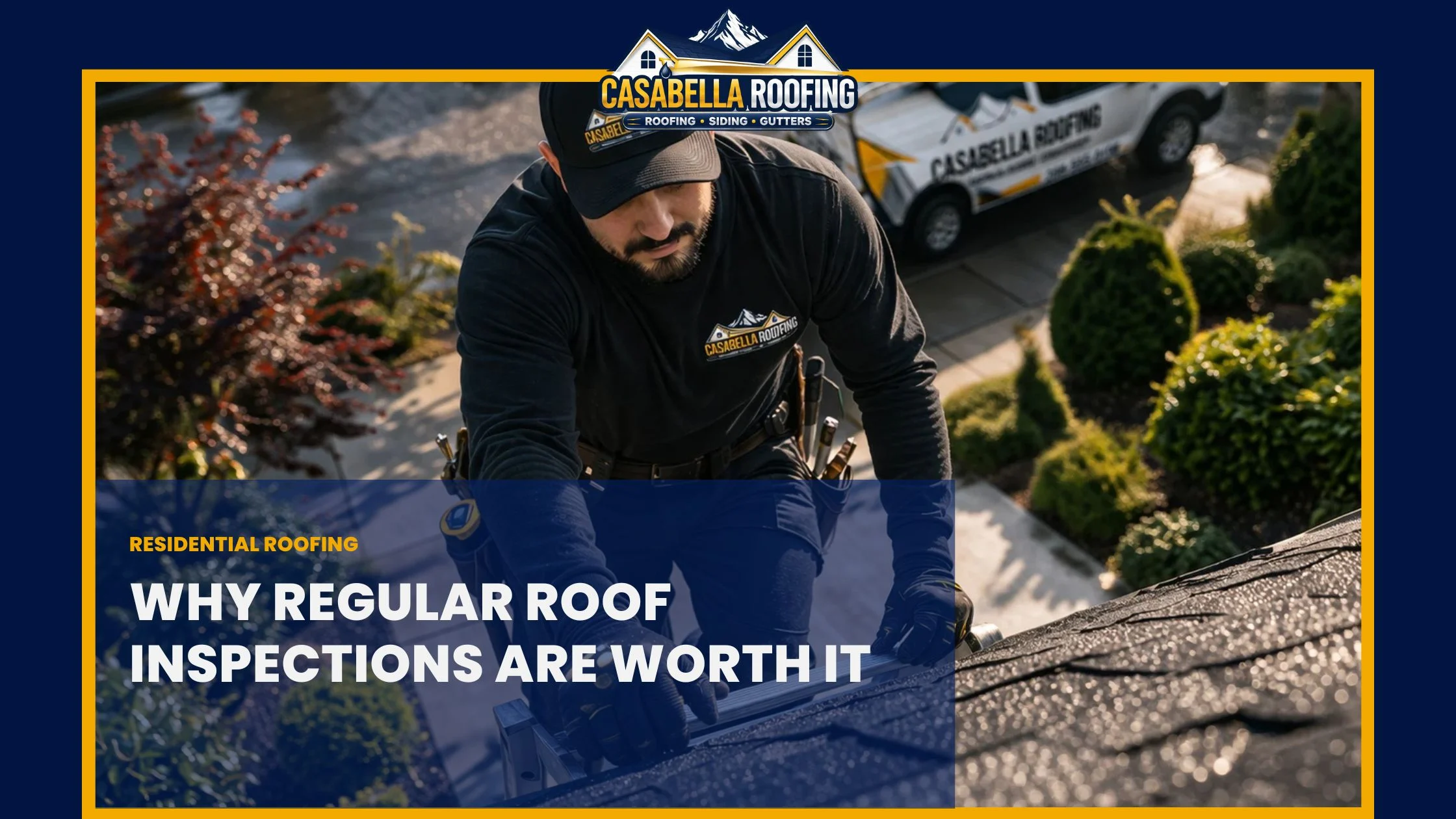
Your roof is one of the most important parts of your home or commercial property. It protects your family, belongings, and investment from rain, wind, moisture, and changing weather conditions throughout the year. Despite its importance, roofing systems are often overlooked until visible damage or leaks begin to appear.
Regular roof inspections help homeowners and property owners identify problems early before they become expensive structural repairs. Instead of waiting for major roofing issues to develop, preventative inspections allow small concerns to be addressed before they spread into larger problems.
For homeowners in Kirkland WA, where roofs are constantly exposed to rain, moisture, and seasonal weather changes, regular roof inspections play a major role in maintaining long-term roof performance and protecting overall property value.
This guide explains the importance of roof inspections, what they include, and why they remain one of the smartest preventative investments homeowners can make.
The Importance of Regular Roof Inspections
Roofing systems experience continuous wear from sunlight, moisture, rain, debris, and changing temperatures. Over time, even well-installed roofing materials can begin to deteriorate.
Regular roof inspections help property owners:
- Detect minor roofing issues early
- Prevent moisture intrusion
- Reduce long-term repair costs
- Improve roof lifespan
- Protect structural integrity
- Maintain energy efficiency
Without regular roof inspections, small roofing problems can remain hidden for months or even years before becoming visible inside the home.
By scheduling inspections annually or after major storms, homeowners can identify vulnerabilities early and reduce the likelihood of expensive emergency repairs later.
Many homeowners only realize roofing problems exist after interior damage has already occurred. Water stains on ceilings, attic moisture, and mold growth often indicate that roofing damage has already progressed significantly. Routine inspections help prevent these issues by identifying warning signs before they become severe.
Regular Roof Inspections Help Prevent Expensive Repairs
One of the biggest benefits of regular roof inspections is preventing costly roofing repairs. Minor roofing issues such as loose shingles, cracked flashing, or small leaks can quickly worsen when exposed to prolonged rain and moisture.
When roofing damage is ignored, it can eventually lead to:
- Ceiling water stains
- Mold and mildew growth
- Damaged attic insulation
- Structural wood rot
- Interior drywall damage
- Increased repair costs
Regular roof inspections help roofing professionals identify these problems before severe damage develops.
For homeowners in Kirkland WA, preventative maintenance often saves thousands of dollars compared to waiting until major roofing repairs become necessary.
A small roofing issue may initially require only a simple repair, but over time moisture intrusion can spread throughout the roofing system. Water can damage insulation, weaken structural framing, and create hidden mold growth that becomes significantly more expensive to correct later.
By investing in regular roof inspections, homeowners can reduce the risk of emergency repairs while improving the long-term reliability of their roofing system.
Extend the Lifespan of Your Roof
Every roofing system has an expected lifespan, but poor maintenance can shorten it significantly. Regular roof inspections help extend roof lifespan by identifying wear and tear early and allowing small repairs to be completed before damage spreads.
Roofing professionals inspect areas such as:
- Shingles and roofing materials
- Flashing and seals
- Roof valleys
- Ventilation systems
- Gutters and drainage
- Roof decking condition
Maintaining these components helps roofing systems perform more efficiently for longer periods of time.
Homeowners who invest in regular roof inspections often maximize the value of their roofing investment while delaying the need for premature roof replacement.
In Kirkland WA, roofs are exposed to consistent moisture and changing weather conditions throughout the year. Without proper maintenance, roofing materials may begin to deteriorate faster than expected. Routine inspections help ensure roofing systems remain durable and weather-resistant for as long as possible.
Extending roof lifespan also improves long-term property value while reducing future replacement expenses.
Protect Your Home From Moisture Damage
Moisture intrusion is one of the most common causes of roofing deterioration and interior property damage. Even a small roof leak can slowly spread beneath roofing materials and eventually affect insulation, framing, ceilings, and walls.
Regular roof inspections help identify:
- Hidden roof leaks
- Damaged flashing
- Moisture buildup
- Drainage issues
- Ventilation problems
By identifying moisture-related concerns early, homeowners can reduce the risk of mold growth and structural deterioration.
In Kirkland WA, where moisture exposure is common throughout the year, regular roof inspections provide essential protection against long-term water damage.
Unchecked moisture can also affect attic ventilation and indoor air quality. Mold growth caused by hidden leaks may eventually spread into living spaces and create additional health concerns for occupants.
Preventing water intrusion early is one of the most important reasons homeowners schedule regular roof inspections.
Improve Home Safety and Structural Protection
A damaged roof can eventually create serious safety concerns for homeowners and occupants. Weakened roofing structures, trapped moisture, and deteriorating materials can compromise the stability of the roof system over time.
Regular roof inspections help improve safety by:
- Identifying structural weaknesses
- Detecting sagging roof sections
- Preventing water-related electrical risks
- Reducing the chance of roof collapse
- Protecting attic and ceiling structures
Roof inspections also provide homeowners with peace of mind knowing their property remains structurally secure and weather-resistant.
Preventative inspections become especially important after severe weather events or prolonged periods of heavy rainfall.
Roofing problems that go unnoticed can eventually impact other structural systems within the home. Moisture damage may spread into framing components, ceilings, insulation, and even electrical systems if left unresolved for long periods.
Scheduling regular roof inspections helps homeowners maintain a safer and more secure property.
Maintain Property Value and Curb Appeal
The condition of a roof significantly affects the overall value and appearance of a property. A well-maintained roofing system demonstrates that the home has been properly cared for and maintained over time.
Regular roof inspections help homeowners:
- Maintain curb appeal
- Protect resale value
- Avoid visible roofing deterioration
- Reduce buyer concerns during inspections
- Improve long-term exterior appearance
For homeowners considering future resale, documented regular roof inspections can also provide reassurance to potential buyers.
Properties with neglected roofing systems often experience lower market value and increased repair negotiations during real estate transactions.
A damaged or poorly maintained roof can negatively affect the appearance of the entire home. Missing shingles, sagging sections, and visible wear may discourage buyers or create concerns during property inspections.
Routine roof maintenance and inspections help preserve both appearance and structural integrity.
Ensure Warranty and Insurance Compliance
Many roofing warranties and insurance policies require homeowners to maintain their roofing systems properly. Failing to perform regular maintenance may affect warranty protection or insurance claims after damage occurs.
Regular roof inspections help homeowners:
- Maintain warranty compliance
- Document roof condition
- Support insurance claims
- Track roof maintenance history
- Identify storm-related damage early
Keeping inspection records provides valuable documentation that may become important during future insurance or warranty situations.
Professional inspection reports can also help property owners understand the current condition of the roof and plan future maintenance more effectively.
After severe storms, insurance providers may require documentation showing the roof was properly maintained before damage occurred. Regular roof inspections help homeowners maintain accurate records while identifying weather-related concerns early.
Signs You Should Schedule a Roof Inspection
Even with annual inspections, certain warning signs indicate a roof should be inspected immediately.
Common signs include:
- Missing or damaged shingles
- Ceiling water stains
- Roof leaks
- Sagging roof areas
- Excessive moss growth
- Granules collecting in gutters
- Visible flashing damage
After major storms or periods of severe weather, homeowners should also schedule regular roof inspections to identify hidden damage before it worsens.
Addressing roofing concerns quickly often prevents more expensive structural repairs later.
Ignoring visible warning signs may allow roofing damage to spread deeper into the structure. Even minor exterior damage can eventually affect insulation, ventilation systems, and attic spaces if left unresolved.
Why Professional Roof Inspections Matter
While some homeowners attempt visual inspections themselves, professional roof inspections provide a much more detailed evaluation of the roofing system.
Experienced roofing contractors can:
- Identify hidden roofing damage
- Detect moisture intrusion
- Evaluate previous repairs
- Assess ventilation performance
- Recommend preventative maintenance
Professional roof inspections also improve safety because roofing professionals have the proper equipment and experience to inspect roofing systems safely.
Working with experienced contractors helps ensure roofing concerns are properly diagnosed and addressed before larger problems develop.
Professionals understand how different roofing systems perform under changing weather conditions and can identify vulnerabilities that homeowners may not recognize during basic visual inspections.
Additional Roof Maintenance Tips
To maximize the value of regular roof inspections, homeowners should also:
- Clean gutters regularly
- Remove roof debris
- Trim nearby tree branches
- Address leaks immediately
- Schedule inspections after storms
Combining preventative maintenance with professional inspections helps homeowners extend roof lifespan while reducing long-term repair costs.
Maintaining proper drainage and ventilation also improves roofing performance throughout the year. Small maintenance tasks performed consistently can help homeowners avoid larger structural problems later.
Conclusion
Regular roof inspections are one of the most important investments homeowners can make to protect their property. From preventing leaks and moisture damage to extending roof lifespan and improving safety, inspections provide long-term value and peace of mind.
For homeowners in Kirkland WA, regular roof inspections help roofing systems remain durable, weather-resistant, and structurally secure throughout changing weather conditions.
Whether your goal is preventing costly repairs, maintaining property value, or improving long-term roof performance, regular roof inspections provide the preventative protection every homeowner should prioritize.