
Ruben Gamon
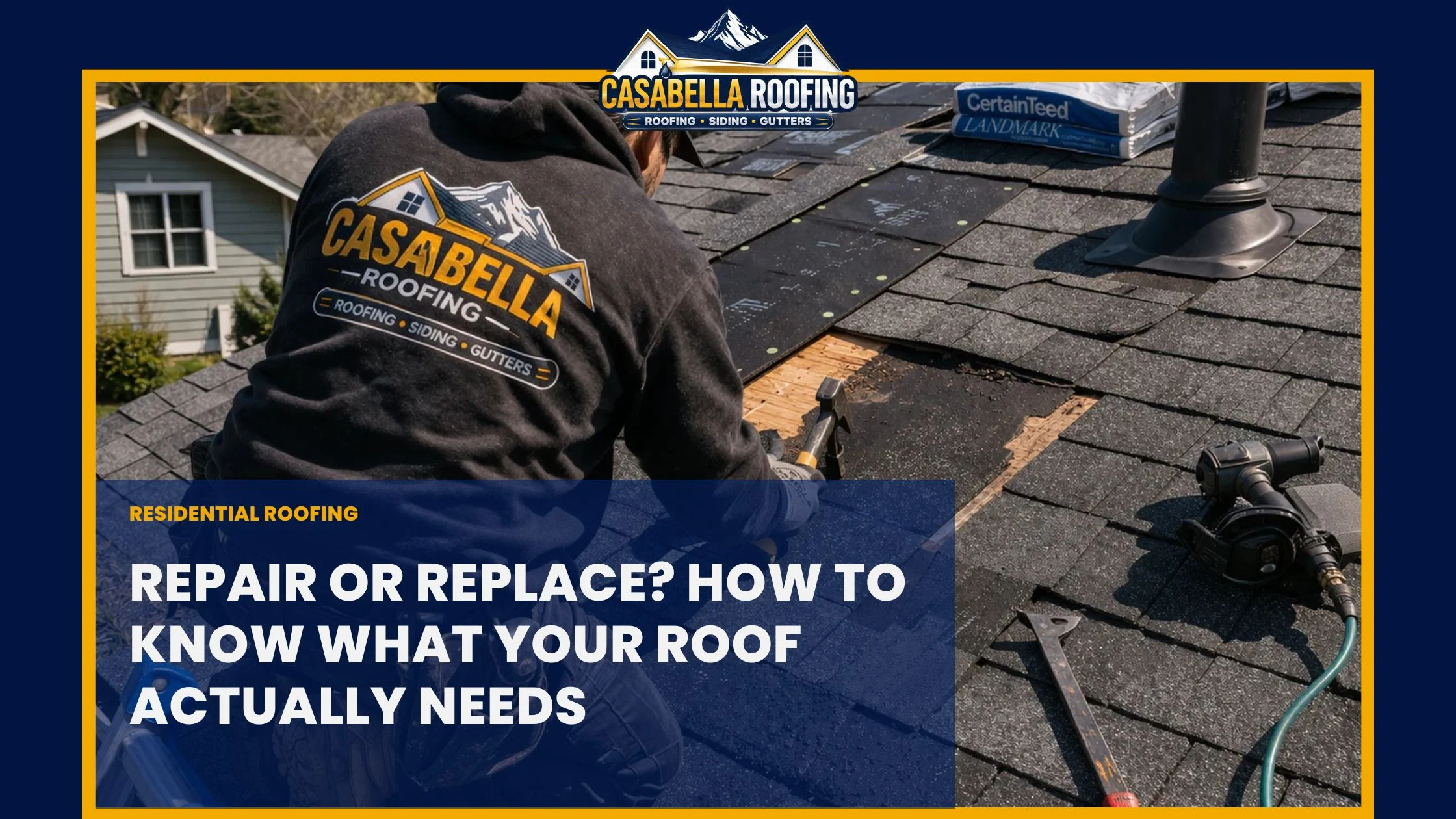
Your roof is one of the most important parts of your home. It protects your family, belongings, and property from rain, wind, moisture, heat, and changing weather conditions throughout the year. However, even the best roofing systems eventually begin to show signs of aging and deterioration.
When roofing problems appear, many homeowners struggle to determine whether they need a simple repair or a complete roof replacement. Making the wrong decision may lead to unnecessary expenses, repeated repairs, or larger structural problems later.
Understanding the difference between minor roofing damage and serious structural deterioration helps homeowners make smarter decisions about roof repair or replacement.
For homeowners in Kirkland WA, where roofs are exposed to frequent rain, moisture, and seasonal storms, identifying roofing issues early can help prevent expensive long-term damage.
This guide explains the most important warning signs to look for, how roof age affects your decision, and when professional roofing inspections become necessary.
Why Roof Repair or Replacement Decisions Matter
Choosing between roof repair or replacement is not always simple. Some roofing issues can be resolved quickly with targeted repairs, while others may indicate larger structural concerns that require a full replacement.
Several important factors affect this decision, including:
- Roof age
- Extent of damage
- Frequency of repairs
- Storm-related damage
- Structural stability
- Energy efficiency concerns
Making the correct decision early helps homeowners avoid repeated repair costs and protect the long-term value of their property.
Professional roofing inspections are often the best way to determine whether roof repair or replacement is the more cost-effective solution.
Consider the Age of Your Roof
One of the biggest factors in deciding between roof repair or replacement is the age of the roofing system. Different roofing materials have different expected lifespans depending on maintenance, weather exposure, and installation quality.
Typical roofing lifespans include:
- Asphalt shingles: 20–25 years
- Metal roofs: 40–70 years
- Flat roofing systems: 10–20 years
- Tile roofs: 50+ years
If your roof is approaching the end of its lifespan, repeated repairs may no longer be financially practical.
Older roofing systems often develop hidden vulnerabilities that continue worsening even after visible repairs are completed. In many cases, homeowners save more money long term by investing in a full replacement instead of repeatedly paying for temporary repairs.
Professional roofing contractors can help evaluate whether roof repair or replacement is the smarter long-term investment based on roof age and condition.
Look for Visible Roofing Damage
Visible roofing damage is often one of the clearest signs that your roof needs professional attention. Some problems may only require repairs, while widespread damage often indicates more serious deterioration.
Homeowners should look for:
- Missing shingles
- Cracked roofing materials
- Curling shingles
- Buckling roof sections
- Water stains
- Damaged flashing
- Loose roofing materials
Minor isolated damage may only require repairs, especially if the rest of the roofing system remains structurally sound.
However, widespread roofing problems affecting multiple areas may indicate that roof repair or replacement should be considered more carefully.
Ignoring visible roofing damage can eventually lead to moisture intrusion, structural deterioration, and more expensive repairs later.
Evaluate Roof Leaks and Water Damage
Water infiltration is one of the most serious roofing concerns homeowners can face. Even small leaks may slowly spread through attic spaces, ceilings, insulation, and structural framing.
Common signs of water damage include:
- Ceiling stains
- Mold or mildew growth
- Damp attic insulation
- Dripping water
- Warped drywall
- Musty odors
A single small leak may only require localized repairs. However, widespread leaking throughout multiple roofing areas often suggests deeper structural concerns.
In these situations, roof repair or replacement decisions should consider the extent of water intrusion and the overall condition of the roofing system.
Preventing long-term moisture damage is one of the most important reasons homeowners should address leaks immediately.
Check for Structural Roofing Problems
Sometimes roofing problems extend beyond shingles and surface materials. Structural concerns beneath the roof may indicate serious deterioration requiring full replacement.
Warning signs include:
- Sagging roof sections
- Uneven rooflines
- Soft roof decking
- Structural movement
- Interior ceiling deformation
Structural problems are often strong indicators that roof repair or replacement should involve professional evaluation immediately.
Weak roof decking and compromised framing may create safety concerns for occupants if left unresolved.
Professional roofing inspections help determine whether structural reinforcement, repairs, or complete replacement is necessary.
Consider the Frequency of Repairs
Repeated roofing repairs can become expensive over time. Homeowners who continually repair recurring problems may eventually spend more money than the cost of a full replacement.
Questions homeowners should consider include:
- How often has the roof needed repairs?
- Are leaks returning repeatedly?
- Has storm damage occurred multiple times?
- Are repair costs increasing?
Frequent repairs may indicate that the roofing system is approaching the end of its usable lifespan.
In many cases, roof repair or replacement decisions become easier when homeowners compare ongoing repair expenses with the long-term value of installing a new roofing system.
Evaluate Energy Efficiency Problems
Roofing systems play a major role in home energy efficiency. Damaged shingles, poor ventilation, and weakened insulation can increase heating and cooling costs significantly.
Signs of roofing-related energy issues include:
- Rising energy bills
- Uneven indoor temperatures
- Excess attic heat
- Poor ventilation performance
Minor repairs may improve small ventilation concerns temporarily, but older roofing systems may continue underperforming overall.
In some situations, roof repair or replacement becomes an opportunity to improve insulation, ventilation, and energy efficiency using modern roofing materials.
New roofing systems often provide better long-term performance and lower energy costs.
Inspect for Granule Loss and Surface Wear
Asphalt shingles contain protective granules that shield roofing materials from UV exposure and moisture damage.
During inspections, homeowners should check for:
- Granules collecting in gutters
- Bare shingle surfaces
- Faded roofing areas
- Uneven roof coloration
Widespread granule loss often indicates advanced roofing deterioration.
When roofing materials lose their protective surface, moisture damage and premature aging can accelerate rapidly.
Professional roofing contractors can help determine whether granule loss requires localized repairs or complete roof repair or replacement planning.
Storm Damage Can Change Everything
Storms often accelerate roofing deterioration. High winds, hail, falling debris, and heavy rain can create both visible and hidden roofing damage.
Minor storm-related issues may only require targeted repairs. However, severe storm damage affecting large roofing sections may justify full replacement.
After major storms, homeowners should inspect for:
- Missing shingles
- Flashing damage
- Gutter separation
- Debris impact damage
- Roof punctures
Professional inspections after storms help homeowners understand the full extent of roofing damage before deciding on roof repair or replacement.
Signs You Need a Professional Roofing Inspection
Some roofing problems are difficult to identify without professional experience.
Homeowners should schedule inspections if:
- The roof is over 15 years old
- Leaks continue appearing
- Roofing materials look brittle
- Moss or algae growth is spreading
- Storm damage recently occurred
- Interior moisture stains appear
Professional inspections provide homeowners with a clearer understanding of the roof’s condition and remaining lifespan.
Experienced roofing contractors can safely evaluate roofing systems and provide honest recommendations regarding roof repair or replacement.
Benefits of Roof Replacement Over Repairs
Although repairs may initially cost less, full replacement offers several important long-term benefits.
Benefits include:
- Improved weather protection
- Reduced future repairs
- Better energy efficiency
- Manufacturer warranty coverage
- Improved curb appeal
- Increased property value
New roofing systems also provide peace of mind by eliminating recurring maintenance concerns and hidden vulnerabilities.
For many homeowners, replacement becomes the smarter investment when repairs become frequent or widespread.
How to Extend the Life of Your Roof
Regardless of whether repairs or replacement are needed, proper maintenance helps maximize roofing lifespan.
Helpful maintenance steps include:
- Scheduling annual inspections
- Cleaning gutters regularly
- Removing roof debris
- Trimming overhanging branches
- Addressing leaks quickly
- Improving attic ventilation
Routine maintenance helps reduce future roofing problems while improving long-term roof performance.
Preventative care remains one of the best ways to delay major roof repair or replacement expenses.
Conclusion
Understanding whether your roof needs repairs or full replacement is one of the most important decisions homeowners can make. Roof age, water damage, structural concerns, storm damage, and repeated repairs all play major roles in determining the best solution.
For homeowners in Kirkland WA, professional roofing inspections provide valuable insight into whether roof repair or replacement is the most cost-effective option.
Addressing roofing concerns early helps prevent larger structural problems, protects property value, and improves long-term peace of mind. When in doubt, working with experienced roofing professionals helps ensure your home remains protected for years to come.