
Ruben Gamon
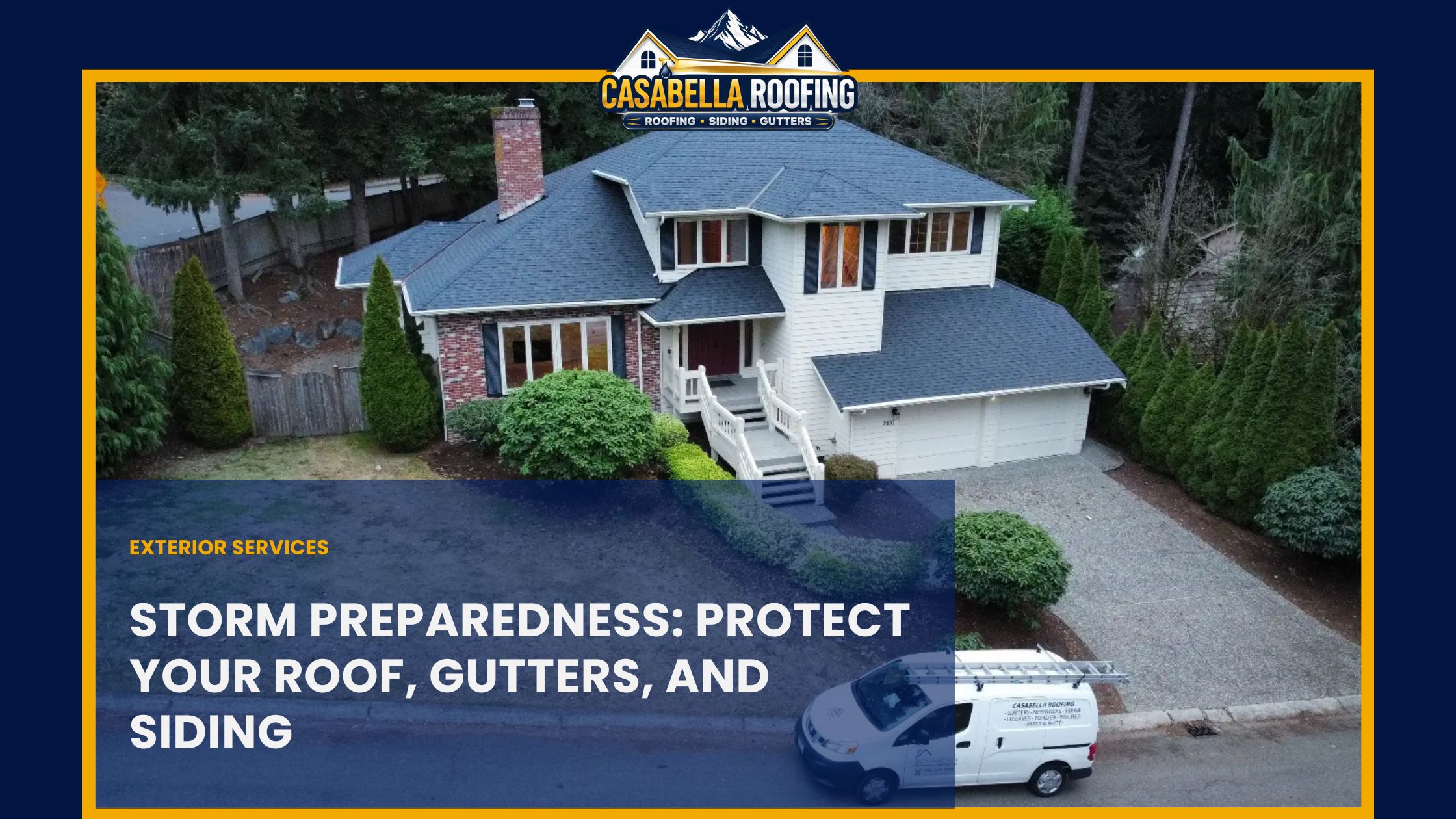
Storm preparedness roofing should be a top priority for every homeowner before severe weather arrives. Heavy rain, strong winds, hail, and falling debris can cause significant damage to your roof, gutters, and siding. Taking proactive steps before a storm can help reduce costly repairs, extend the lifespan of your exterior systems, and keep your home protected throughout the year.
Many homeowners wait until damage occurs before addressing roofing concerns. Unfortunately, by the time leaks appear or siding panels come loose, the damage may already be extensive. Proper preparation allows homeowners to identify vulnerabilities early and strengthen their home’s first line of defense against the elements.
Why Storm Preparedness Roofing Matters
Your roofing system, gutters, and siding work together to protect your property from water intrusion and structural damage. During a storm, these systems endure tremendous stress from wind pressure, rainfall, and airborne debris.
Storm preparedness roofing helps homeowners:
- Reduce the risk of roof leaks
- Prevent water damage inside the home
- Minimize siding failures
- Protect landscaping and foundations
- Extend the life of roofing materials
- Lower long-term repair costs
- Improve overall home value
Regular inspections and preventive maintenance can identify potential weaknesses before they become major problems during severe weather events.
Common Storm Threats to Roofing Systems
Understanding the risks helps homeowners better prepare for approaching storms.
High Winds
Strong wind gusts can lift shingles, loosen flashing, and create openings that allow water to enter the roofing system. Once wind penetrates beneath roofing materials, damage can spread quickly.
Heavy Rain
Rainwater can exploit even small vulnerabilities in roofing systems. Cracked flashing, damaged shingles, and clogged gutters can allow moisture to infiltrate the structure.
Hail Damage
Hail can create impact damage on shingles, gutters, and siding. Even minor hail strikes can weaken materials and reduce their lifespan.
Falling Branches
Trees near the home pose a serious risk during storms. Branches can puncture roofing materials, dent gutters, and crack siding panels.
Debris Impact
Flying debris can damage exposed areas of the roof and siding, particularly during severe windstorms.
Inspect Your Roof Before Storm Season
One of the most important aspects of storm preparedness roofing is conducting a thorough roof inspection.
A professional roofing inspection can identify:
- Missing shingles
- Loose shingles
- Cracked shingles
- Damaged flashing
- Exposed nail heads
- Ventilation issues
- Soft decking areas
- Signs of previous storm damage
Small issues often become major problems when subjected to severe weather conditions. Addressing repairs early can prevent extensive storm-related damage.
Homeowners should schedule inspections annually and especially before storm season begins.
Replace Damaged or Missing Shingles
Shingles serve as the primary protective layer on most residential roofs. Damaged shingles can compromise the entire roofing system.
Warning signs include:
- Curling edges
- Cracks
- Granule loss
- Missing shingles
- Lifted tabs
Replacing compromised shingles strengthens the roof’s ability to withstand strong winds and heavy rainfall.
Storm preparedness roofing begins with ensuring every component of the roofing system is functioning properly.
Secure Roof Flashing and Penetrations
Roof flashing protects vulnerable areas where water can enter the structure.
Critical flashing locations include:
- Chimneys
- Skylights
- Roof valleys
- Plumbing vents
- Wall intersections
Loose or deteriorated flashing can allow significant water intrusion during storms. Professional inspections should include a careful examination of all flashing components.
Properly sealed penetrations reduce the risk of leaks and improve overall storm resistance.
Clean and Maintain Gutters
Gutters play a crucial role in storm preparedness roofing because they direct water away from the home.
When gutters become clogged with:
- Leaves
- Twigs
- Dirt
- Roof granules
Water can overflow and cause damage to:
- Roofing materials
- Fascia boards
- Siding
- Foundations
- Landscaping
Cleaning gutters regularly helps ensure proper drainage during heavy rainfall.
Inspect Downspouts
Downspouts should direct water several feet away from the home’s foundation.
Blocked or damaged downspouts can cause water to pool near the structure, increasing the risk of foundation issues and basement moisture problems.
Consider Installing Gutter Guards
Gutter guards help minimize debris accumulation while maintaining efficient water flow.
Benefits include:
- Reduced maintenance
- Improved drainage
- Less clogging
- Better storm performance
- Extended gutter lifespan
Although gutter guards do not eliminate maintenance entirely, they can significantly improve gutter efficiency during severe weather.
Examine Your Siding for Vulnerabilities
Storm preparedness roofing should also include a detailed siding inspection.
Siding protects walls from moisture intrusion and weather exposure.
Common siding issues include:
- Cracks
- Loose panels
- Warping
- Rot
- Impact damage
Damaged siding allows moisture to penetrate behind the exterior cladding, potentially leading to mold growth and structural deterioration.
Repairing siding before storm season helps maintain a strong weather-resistant barrier.
Trim Trees Near the Home
Tree maintenance is one of the simplest yet most effective storm protection measures.
Branches hanging over the roof can:
- Scratch shingles
- Drop debris into gutters
- Break during storms
- Cause severe roof damage
Professional tree trimming reduces the risk of impact damage and helps protect roofing systems during high-wind events.
Removing dead or weakened limbs is particularly important before storm season arrives.
Check Your Attic for Warning Signs
Your attic can reveal hidden roofing issues that may become worse during storms, making attic evaluations an important part of any Storm Preparedness Roofing plan.
Look for:
- Water stains
- Mold growth
- Damp insulation
- Sunlight penetration
- Excess humidity
These signs often indicate existing roofing vulnerabilities.
Addressing attic concerns early helps improve overall storm preparedness roofing performance.
Reinforce Roof Ventilation Systems
Proper ventilation contributes to the health and durability of the roofing system.
A well-ventilated attic helps:
- Prevent moisture buildup
- Reduce heat accumulation
- Extend shingle lifespan
- Improve energy efficiency
Storm preparedness roofing includes ensuring all vents are secure and functioning properly before severe weather arrives.
Schedule Professional Roof Maintenance
Routine professional maintenance remains one of the best investments homeowners can make, and it is a critical part of any effective Storm Preparedness Roofing strategy.
Experienced roofing contractors can identify issues that may not be visible from the ground.
Professional maintenance services often include:
- Roof inspections
- Minor repairs
- Flashing evaluations
- Gutter assessments
- Storm damage prevention recommendations
A proactive approach significantly reduces the likelihood of major storm-related repairs.
Create a Storm Response Plan
Preparation should extend beyond maintenance activities.
Homeowners should establish a plan that includes:
- Emergency contact numbers
- Roofing contractor information
- Insurance policy details
- Property documentation
- Photos of roof conditions before storms
Having this information readily available can simplify the recovery process if storm damage occurs.
Document Your Home’s Exterior
Before storm season begins, photograph your:
- Roof
- Gutters
- Siding
- Windows
- Landscaping
These images provide valuable documentation for insurance purposes and can help establish the condition of the property before a storm event.
Accurate records often streamline the claims process if damage occurs.
Work With a Trusted Roofing Professional
Partnering with a reputable roofing contractor is an important component of storm preparedness roofing.
Professional roofing companies understand local weather patterns and can recommend solutions tailored to your home’s specific needs.
Services may include:
- Comprehensive inspections
- Preventive repairs
- Roof replacement evaluations
- Gutter upgrades
- Siding assessments
An experienced contractor can help homeowners prepare for severe weather while protecting their investment for years to come.
Conclusion
Storm preparedness roofing is one of the most effective ways to protect your home from severe weather. By inspecting your roof, maintaining gutters, repairing siding, trimming nearby trees, and addressing small issues before storm season arrives, you can significantly reduce the risk of costly damage.
A well-maintained exterior provides stronger protection against wind, rain, hail, and debris while helping preserve the value and integrity of your property. Investing time in preparation today can save homeowners from extensive repairs and unexpected expenses after the next major storm.