
Ruben Gamon
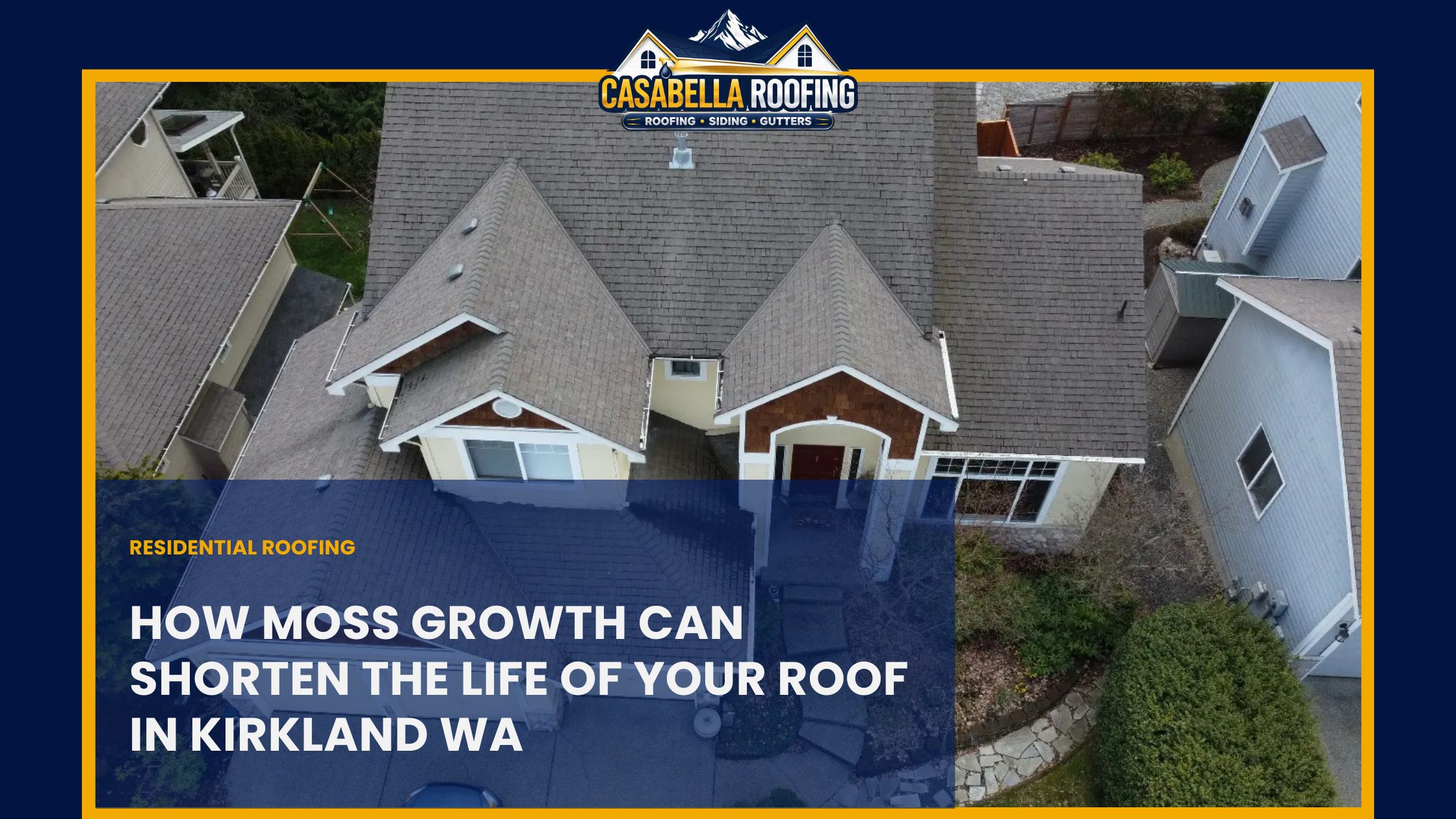
Moss roof damage Kirkland WA is one of the most underestimated roofing problems affecting homeowners across the Pacific Northwest. At first glance, moss may look harmless or even natural—especially in a green, rainy environment like Washington. Many homeowners assume it is just part of having an older roof or living near trees. However, what most people do not realize is that moss is not just sitting on the roof surface; it is actively breaking it down over time.
In Kirkland, where moisture levels are high for much of the year and shade from trees is common, moss growth is not only frequent but also persistent. Once it begins, it rarely stops without intervention. This makes moss roof damage Kirkland WA a silent but serious threat to residential roofing systems, especially asphalt shingles, which are the most commonly used roofing material in the area.
Understanding how moss develops, how it spreads, and how it damages roofing systems is essential for preventing premature roof failure and avoiding expensive repairs or full roof replacements.
Why Moss Roof Damage Is So Common in Kirkland WA
Moss roof damage Kirkland WA starts with environmental conditions that are ideal for biological growth. Unlike dry or sunny regions where roofs stay dry for most of the year, Kirkland experiences consistent moisture, mild temperatures, and long periods of shade.
These conditions create a perfect environment for moss spores to grow and spread.
Moss thrives when:
- Roof surfaces stay damp for extended periods
- Sunlight exposure is limited
- Organic debris such as leaves and twigs is present
- Airflow across the roof is restricted
Homes surrounded by trees are especially vulnerable because falling debris accumulates on rooftops and in gutters. This debris traps moisture, creating a layer of damp organic material that allows moss spores to attach and multiply.
Once moss begins to form, it does not remain isolated. It expands outward in thick layers, feeding on moisture and slowly embedding itself into roofing materials.
How Moss Roof Damage Actually Starts
Moss roof damage Kirkland WA does not happen overnight. It begins with microscopic spores that land on damp surfaces. These spores can remain dormant for a period of time until conditions become favorable—usually after rainfall, extended shade, or debris accumulation.
Once activated, moss starts growing in small patches, often unnoticed in corners of the roof, under shingles, or along roof valleys. These areas tend to stay damp longer than open roof sections.
The early stage is deceptive because:
- Growth appears soft and harmless
- No immediate leaks are visible
- Shingles may still look intact from a distance
However, beneath the surface, moss is already beginning to change the structure of the roof system by holding moisture directly against roofing materials.
The Hidden Moisture Problem Behind Moss Growth
One of the most destructive effects of moss roof damage Kirkland WA is moisture retention. Moss acts like a sponge, absorbing and holding water from rain, fog, and morning dew.
Unlike roofing materials designed to shed water, moss keeps the surface damp for long periods. This constant moisture exposure leads to a chain reaction of deterioration.
When moisture is trapped:
- Shingles remain wet longer than intended
- Adhesive layers weaken
- Wooden roof decking begins to absorb water
- Mold and mildew can develop underneath the surface
Over time, this hidden moisture causes structural weakening that often goes unnoticed until interior damage appears inside the home.
At that point, the problem is no longer cosmetic—it becomes structural.
Shingle Damage Caused by Moss Growth
Moss roof damage Kirkland WA has a direct physical impact on asphalt shingles. As moss grows, it expands between and under shingles, creating upward pressure.
This leads to several issues:
1. Shingle Lifting
Moss pushes shingles upward, breaking their tight seal. Once lifted, shingles become vulnerable to wind damage and water intrusion.
2. Granule Loss
As moss spreads, it loosens the protective granules embedded in shingles. These granules are essential for UV protection and weather resistance, which is a major contributing factor to moss roof damage Kirkland WA in asphalt roofing systems.
When granules are lost:
- Shingles age faster
- UV rays penetrate more easily
- Surface becomes brittle and weak
3. Edge Separation
Moss can cause shingle edges to curl or separate, creating small gaps where water can enter during rain.
These issues compound over time, reducing the roof’s ability to protect the home.
Structural Risks: What Happens Beneath the Roof Surface
The most serious aspect of moss roof damage Kirkland WA is what happens beneath the shingles. While the surface damage is visible, the real danger lies in what is happening to the roof structure underneath.
When moisture repeatedly penetrates the roofing system:
- Roof decking begins to soften
- Nails lose grip strength in wet wood
- Insulation becomes damp and less effective
- Mold growth can begin in hidden areas
Once structural wood begins to rot, repairs become significantly more expensive. In severe cases, sections of the roof may need full replacement rather than simple repair.
This is why early prevention is critical.
Moss and Roof Drainage Problems
Moss roof damage Kirkland WA also affects how water moves across the roof. A healthy roof is designed to shed water quickly and efficiently into gutters.
However, moss disrupts this process in multiple ways:
- It slows water flow across the surface
- It traps debris that blocks drainage paths
- It causes uneven water distribution
As moss breaks down, it often ends up in gutters, leading to clogs. When gutters are blocked, water overflows and runs down siding or backs up under roofing edges.
This creates secondary damage that extends beyond the roof itself, affecting fascia boards, exterior walls, and even foundations in severe cases.
Why Moss Shortens Roof Lifespan Significantly
Every roofing system is designed with a specific lifespan in mind. For asphalt shingles in Washington, this is typically 20 to 30 years under normal conditions.
However, moss roof damage Kirkland WA can significantly reduce that lifespan.
This happens because moss:
- Keeps the roof constantly damp
- Accelerates shingle deterioration
- Weakens protective layers
- Increases thermal expansion stress cycles
Instead of aging gradually, the roof begins to deteriorate unevenly and prematurely.
A roof that should last 25 years may begin failing in 15–18 years if moss growth is left unmanaged.
Early Warning Signs Homeowners Should Not Ignore
Moss roof damage Kirkland WA often provides visible warning signs before major damage occurs. Homeowners should look for:
- Green or dark patches forming on roof surfaces
- Thick moss growth in shaded areas
- Shingles that appear uneven or lifted
- Debris buildup in roof valleys or gutters
- Damp or musty smells in attic spaces
- Interior ceiling stains or discoloration
Even small patches should be taken seriously because moss spreads rapidly in moist environments.
How Moss Spreads Across Roofs in Washington Homes
Moss spreads through airborne spores that settle on roofs. These spores are carried by wind and rain and can attach to almost any damp surface, which is a key factor behind moss roof damage Kirkland WA in shaded and moisture-heavy environments like Washington.
In Kirkland WA, spread is accelerated by:
- Frequent rainfall
- Heavy tree coverage
- Long shaded roof exposure
- Poor ventilation in attic spaces
Once established, moss spreads outward in layers, creating thicker growth that becomes harder to remove over time.
Prevention Strategies That Protect Roof Lifespan
The most effective way to manage moss roof damage Kirkland WA is prevention rather than reaction. Once moss becomes deeply rooted, removal becomes more difficult and potentially damaging to shingles.
1. Regular Roof Inspections
Early detection allows homeowners to address small patches before they spread.
2. Professional Roof Cleaning
Safe cleaning methods remove moss without damaging shingles or stripping protective layers.
3. Preventive Moss Treatments
Specialized treatments slow regrowth and reduce surface moisture retention.
4. Tree Management
Trimming overhanging branches increases sunlight exposure and reduces debris buildup.
5. Gutter Maintenance
Clean gutters prevent water backup and reduce moisture accumulation along roof edges.
Why Professional Attention Matters
While minor moss growth may seem manageable, moss roof damage Kirkland WA often requires professional evaluation to fully understand the extent of underlying damage.
Roofing professionals can identify:
- Hidden moisture penetration
- Structural weakening beneath shingles
- Early-stage rot or mold development
- Areas at high risk of future leaks
This ensures that problems are addressed before they escalate into costly repairs or replacements.
Final Thoughts on Moss Roof Damage in Kirkland WA
Moss roof damage Kirkland WA is more than a cosmetic issue—it is a slow, progressive form of roof deterioration that can significantly shorten the lifespan of an entire roofing system.
What makes moss especially dangerous is its ability to grow quietly while causing damage beneath the surface. By the time visible signs become obvious, structural damage may already be underway.
In a moisture-rich environment like Kirkland, proactive roof care is not optional—it is essential for long-term home protection.