
Ruben Gamon
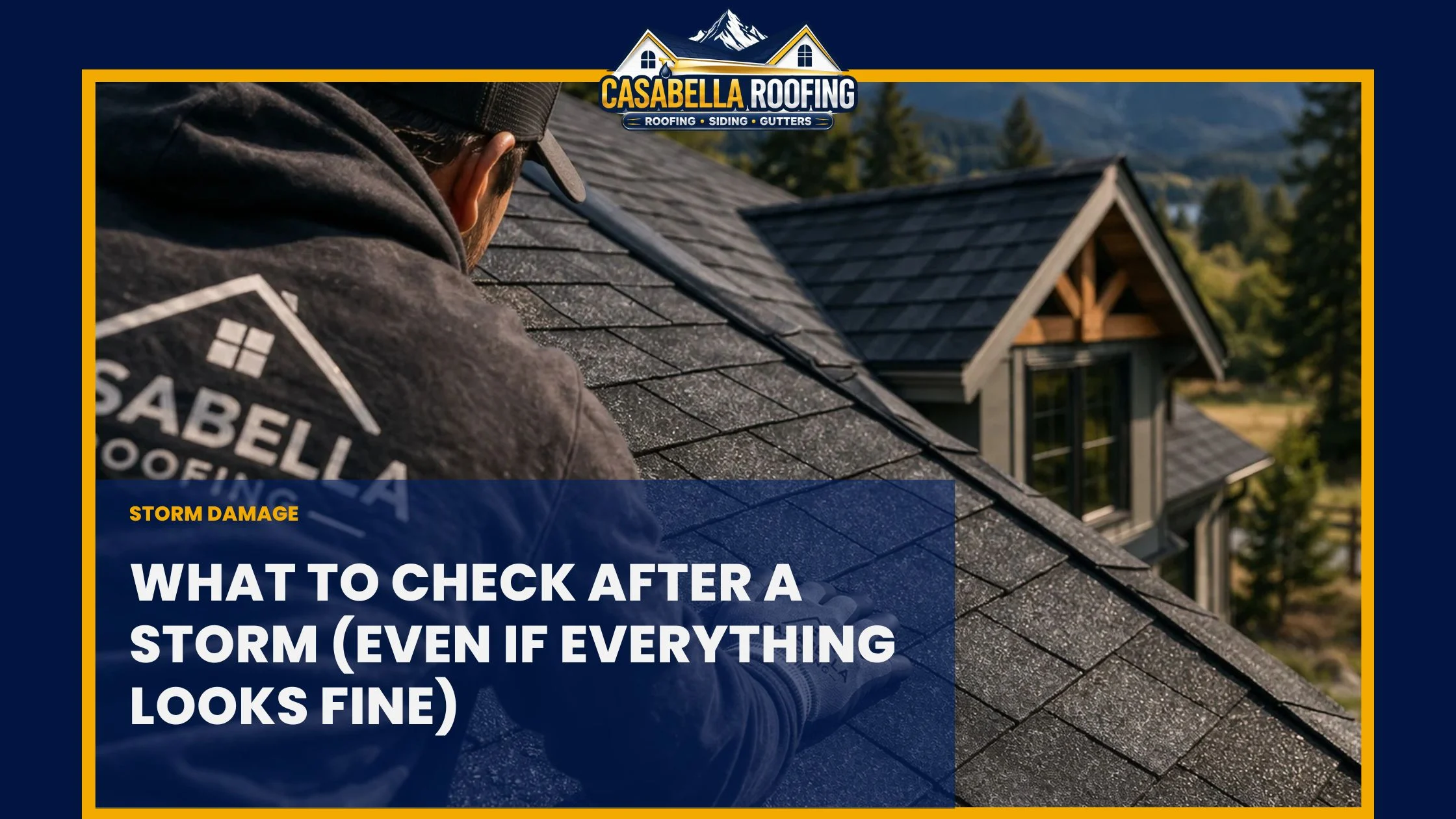
Storms can cause significant roofing damage even when everything appears normal from the ground. Heavy rain, strong winds, debris, and moisture exposure can weaken roofing systems without creating immediate visible signs. That is why scheduling a roof inspection after storm events is one of the most important steps homeowners can take to protect their property.
Many roofing problems caused by storms develop slowly over time. A slightly lifted shingle, damaged flashing, or small leak may not become noticeable until weeks or months later. By then, water intrusion and structural deterioration may already be spreading inside the home.
For homeowners in Kirkland WA, where seasonal storms and moisture are common, a roof inspection after storm conditions helps identify hidden issues early before they become expensive repairs.
This guide explains exactly what homeowners should check after severe weather, why storm inspections matter, and when it is time to contact a professional roofing contractor.
Why Roof Inspection After Storm Damage Matters
Many homeowners assume their roof is fine if they do not immediately see missing shingles or active leaks. However, storm-related roofing damage is often hidden beneath the surface.
A roof inspection after storm events helps homeowners:
- Detect hidden roofing damage
- Prevent future leaks
- Protect attic insulation
- Reduce long-term repair costs
- Maintain roof lifespan
- Protect structural integrity
Without a professional inspection, small issues can continue worsening long after the storm has passed.
Wind, rain, and debris may loosen roofing materials without completely removing them. Over time, these weakened areas allow moisture intrusion that eventually damages insulation, ceilings, drywall, and framing.
Scheduling a roof inspection after storm conditions gives homeowners peace of mind while helping prevent larger structural problems later.
Start With a Ground-Level Visual Inspection
The first step in any roof inspection after storm damage is performing a basic visual inspection from the ground. Homeowners should never climb onto the roof themselves unless properly trained and equipped for roofing safety.
Walk around the property and look for:
- Uneven or lifted shingles
- Missing roofing materials
- Tree branches or debris on the roof
- Bent gutters
- Detached flashing
- Visible roof sagging
Even minor visual changes may indicate underlying roofing damage.
A roof inspection after storm conditions should begin as soon as weather conditions become safe enough to evaluate the property.
Early detection helps homeowners address roofing concerns before moisture spreads deeper into the roofing system.
Check for Missing or Lifted Shingles
High winds are one of the leading causes of roofing damage during storms. Strong wind gusts can loosen shingles or completely remove them from the roof.
Signs homeowners should watch for include:
- Bare roof sections
- Misaligned shingles
- Curled shingle edges
- Loose roofing materials
- Shingles lifting from the roof surface
Even if shingles remain attached, weakened seals may allow water to penetrate underneath the roofing system.
A roof inspection after storm damage often reveals lifted shingles that are difficult to identify from the ground but may eventually create leaks during future rainfall.
Addressing damaged shingles quickly helps reduce the risk of water intrusion and structural deterioration.
Inspect Gutters and Downspouts
Gutters often reveal hidden signs of roofing damage after severe weather. During a roof inspection after storm events, homeowners should carefully inspect the gutter system for signs of impact or roofing deterioration.
Check for:
- Granules collecting in gutters
- Cracked or dented gutters
- Loose gutter sections
- Debris blockages
- Overflowing drainage areas
Granules from asphalt shingles are especially important because excessive granule loss may indicate aging or storm-damaged roofing materials.
Proper drainage helps protect roofing systems, siding, landscaping, and foundations from water-related damage after storms.
Ignoring gutter problems may eventually contribute to moisture intrusion and additional roofing repairs.
Look for Water Stains Inside Your Home
A roof inspection after storm damage should always include checking interior spaces for signs of moisture.
Homeowners should inspect ceilings, walls, and attic spaces for:
- Brown ceiling stains
- Peeling paint
- Damp drywall
- Musty odors
- Water dripping during rainfall
These warning signs often indicate that water has already entered the roofing system.
Even small leaks can create significant damage over time if not repaired quickly. Moisture trapped inside ceilings and attic spaces may eventually lead to mold growth, insulation damage, and structural deterioration.
Identifying water intrusion early is one of the most important reasons homeowners schedule a roof inspection after storm conditions.
Examine Flashing and Roof Penetrations
Flashing protects vulnerable roofing areas around chimneys, vents, skylights, and roof transitions. These areas are highly susceptible to storm-related damage because wind and rain often penetrate weak seals first.
During a roof inspection after storm events, homeowners should inspect for:
- Bent flashing
- Loose seals
- Gaps around roof penetrations
- Cracks near chimneys or vents
- Visible separation around skylights
Flashing problems may appear minor initially but often become major leak sources over time.
Professional roofing contractors carefully inspect these vulnerable areas because hidden moisture intrusion commonly develops around roof penetrations after storms.
Check for Structural Changes or Sagging
Storms occasionally create more serious structural roofing damage, especially when heavy rain or fallen debris places excess weight on the roof.
Warning signs include:
- Sagging roof sections
- Uneven rooflines
- Soft roofing areas
- Structural movement
- Interior ceiling deformation
Structural concerns identified during a roof inspection after storm damage should always be evaluated immediately by a professional roofing contractor.
Ignoring structural changes may eventually create dangerous safety conditions for occupants inside the home.
Watch for Debris Impact Damage
Falling tree branches and airborne debris frequently damage roofing materials during storms.
A roof inspection after storm conditions should include checking for:
- Punctured shingles
- Impact dents
- Cracked roofing materials
- Broken tiles
- Damaged flashing
Even small impact areas may compromise the roof’s ability to prevent water intrusion.
Debris damage often weakens roofing materials and accelerates future deterioration if repairs are delayed.
Homeowners in Kirkland WA surrounded by trees should pay especially close attention to debris-related roofing damage after storms.
Inspect the Attic for Hidden Moisture
Attic spaces often reveal roofing damage before leaks become visible inside living spaces.
During a roof inspection after storm conditions, homeowners should check attic spaces for:
- Damp insulation
- Water stains on wood framing
- Mold or mildew odors
- Moisture around vents
- Sunlight visible through roof boards
These warning signs may indicate hidden roofing vulnerabilities that require professional repairs.
Attic inspections help homeowners identify moisture problems early before significant interior damage develops.
Why Hidden Roofing Damage Is Common
One of the biggest challenges with storm-related roofing problems is that hidden damage may not become visible immediately.
Examples include:
- Lifted shingles that leak later
- Flashing damage that worsens over time
- Small moisture intrusion areas
- Delayed ceiling staining
- Gradual insulation deterioration
Because roofing systems often conceal hidden damage beneath the surface, professional inspections remain one of the most effective ways to identify storm-related issues early.
A roof inspection after storm events provides homeowners with a better understanding of the roof’s condition and potential repair needs.
When to Call a Professional Roofing Contractor
While homeowners can perform basic visual inspections, professional roof inspections provide much more detailed evaluations.
Homeowners should schedule a professional roof inspection after storm conditions if:
- Visible roofing damage exists
- Water stains appear inside the home
- Shingles are missing or lifted
- The roof is older
- Major storms recently occurred
- Structural changes are visible
Professional roofing contractors safely inspect roofing systems, identify hidden vulnerabilities, and recommend the best repair solutions.
Experienced contractors can also document storm-related damage for insurance purposes if necessary.
How to Reduce Future Storm Damage
Although severe weather cannot be prevented, homeowners can reduce future roofing damage through preventative maintenance.
Helpful preventative steps include:
- Cleaning gutters regularly
- Trimming overhanging branches
- Scheduling annual roof inspections
- Addressing small roofing repairs quickly
- Improving attic ventilation
Routine maintenance helps roofing systems perform more effectively during future storms while reducing long-term repair costs.
Conclusion
A roof inspection after storm conditions is one of the most important steps homeowners can take to protect their property from hidden roofing damage. Even when everything appears fine, storms may weaken roofing materials, flashing, gutters, and drainage systems without creating immediate visible signs.
By understanding what to check after severe weather, homeowners can identify roofing concerns early and prevent larger structural problems from developing later.
For homeowners in Kirkland WA, professional roof inspection after storm services provide peace of mind, improve roof protection, and help maintain long-term roofing performance throughout changing weather conditions.