
Ruben Gamon
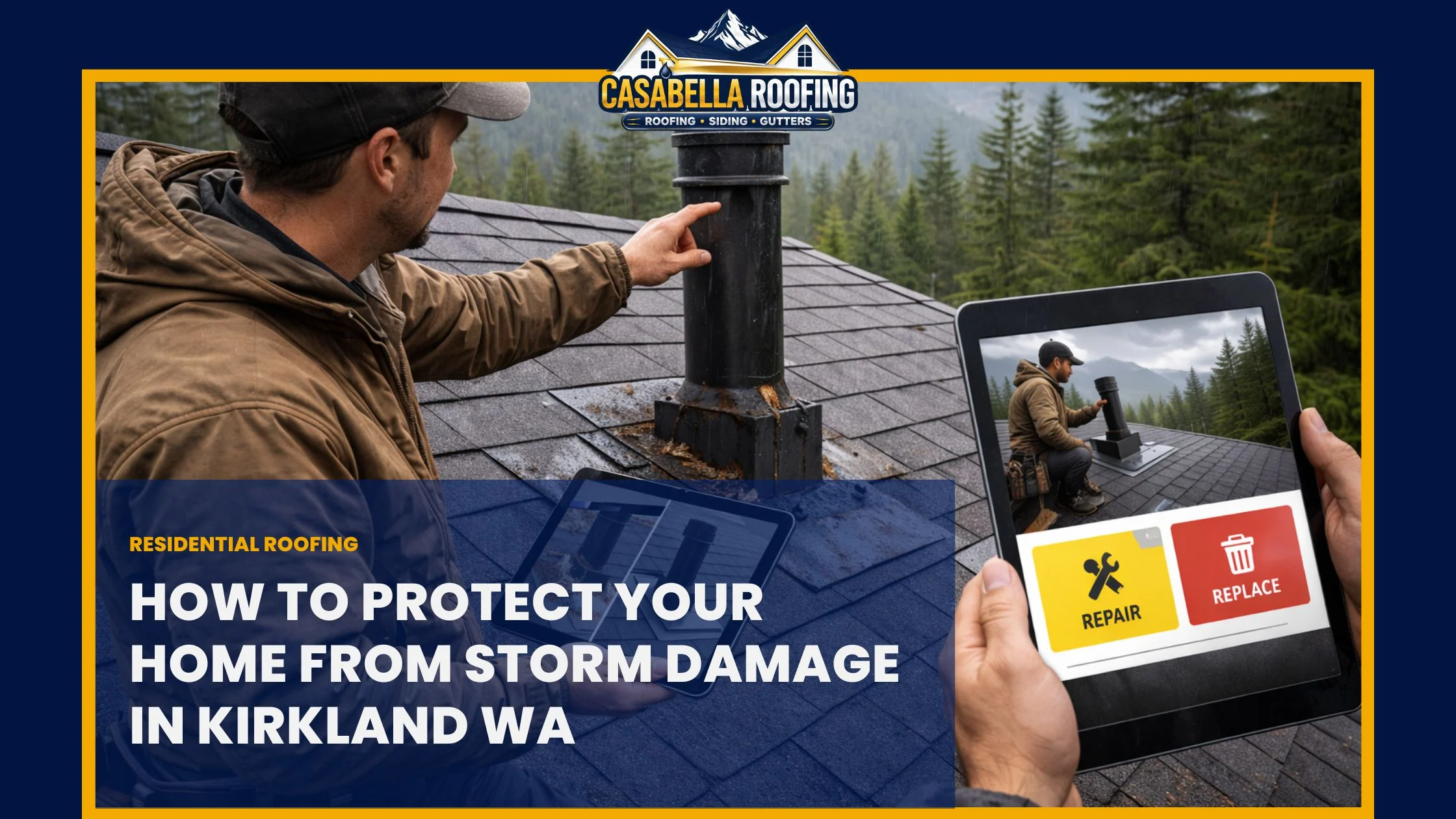
Storms in Kirkland WA can arrive unexpectedly and cause serious damage to roofs, gutters, siding, windows, landscaping, and other exterior structures. Heavy rain, strong winds, moisture buildup, and seasonal storms place constant stress on homes throughout the year. Without proper preparation and maintenance, even small storm-related issues can quickly become expensive repairs.
Storm damage repair is one of the most important parts of protecting a home from long-term structural problems. Homeowners who take preventative measures before severe weather arrives are often able to reduce repair costs while improving the overall durability of their property.
This guide explains how homeowners can reduce weather-related risks, improve exterior protection, and minimize the need for major storm damage repair after severe weather events.
Why Storm Damage Repair Is Important
Severe weather can create both immediate and long-term damage to a home. Missing shingles, roof leaks, damaged gutters, cracked siding, and moisture intrusion may initially appear minor, but these problems can worsen quickly if not repaired.
Storm damage repair helps homeowners:
- Prevent water infiltration
- Protect structural framing
- Reduce mold and mildew growth
- Maintain property value
- Improve long-term roof performance
- Prevent larger repair expenses
Ignoring small weather-related issues can eventually lead to costly structural damage involving roofing systems, insulation, ceilings, siding, and foundations.
Because Kirkland WA experiences frequent rain and changing weather conditions, homeowners should treat storm damage repair as an important part of long-term home maintenance.
Inspect Your Roof Regularly
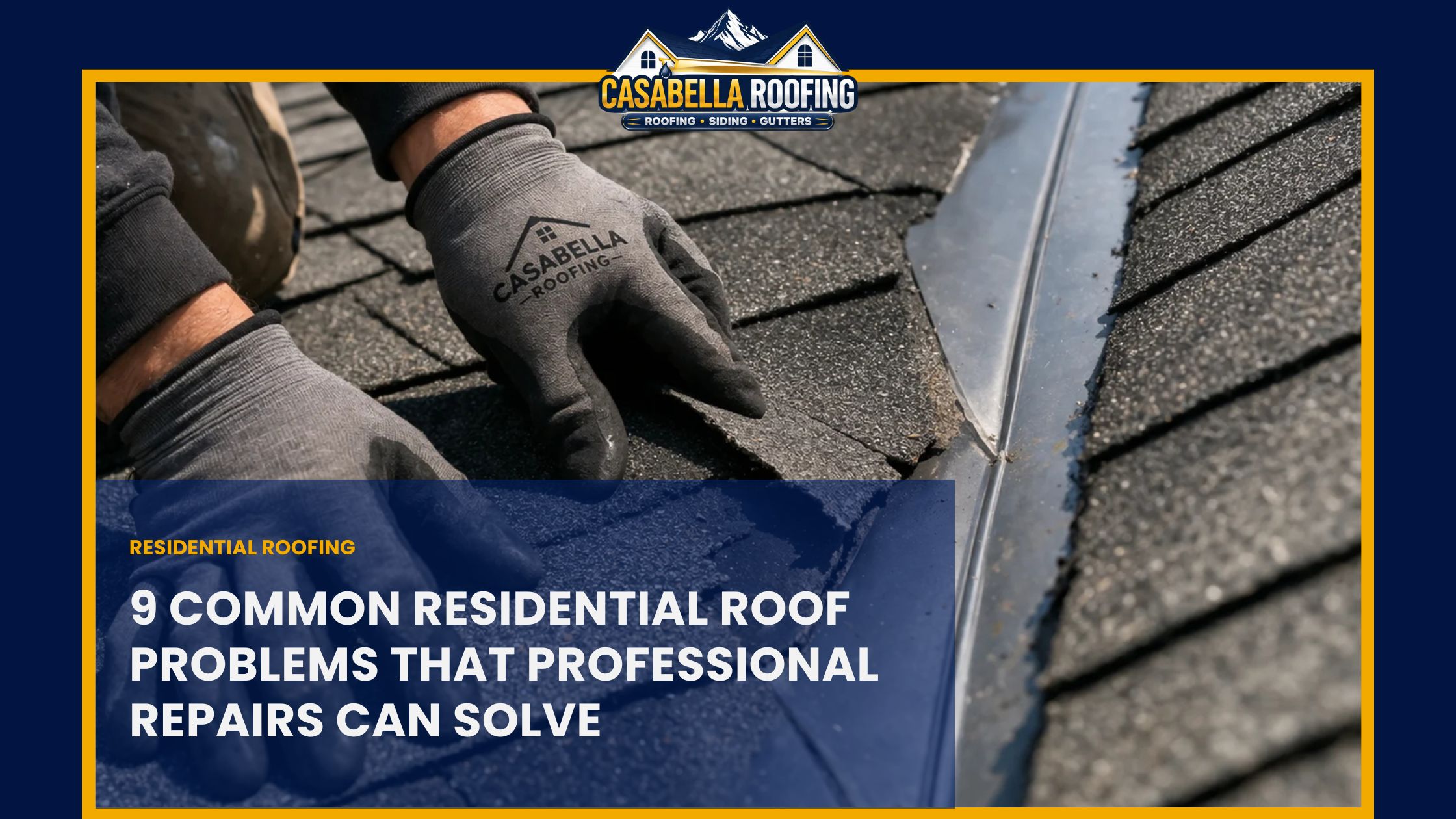
Your roof serves as the first line of defense against severe weather. A properly maintained roofing system can better withstand strong winds, heavy rainfall, and prolonged moisture exposure.
Homeowners should schedule regular roof inspections before and after storm season to identify potential vulnerabilities early.
Look for warning signs such as:
- Missing or damaged shingles
- Loose flashing
- Water stains in attic spaces
- Sagging roof sections
- Moss or algae growth
- Signs of roof aging
Professional inspections help identify hidden issues that may eventually require emergency storm damage repair if ignored.
Routine roof maintenance also helps homeowners extend the lifespan of roofing materials while improving weather resistance during storms.
Maintain and Protect Your Gutters
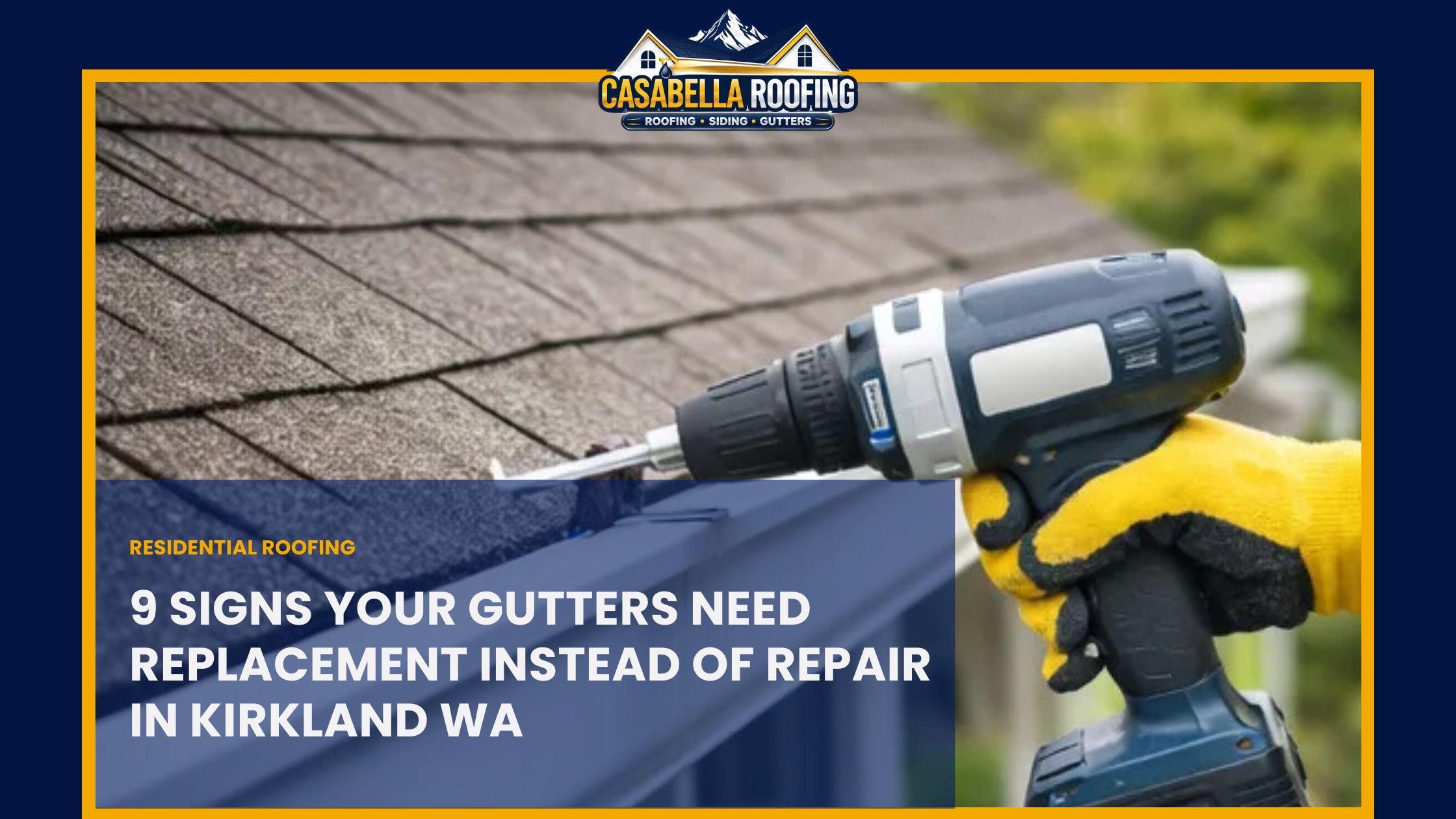
Gutters play an important role in protecting homes from water damage during storms. When gutters become clogged or damaged, rainwater can overflow and collect near roofing edges, siding, foundations, and landscaping.
Storm damage repair often becomes necessary when drainage systems fail during periods of heavy rainfall.
To improve gutter performance, homeowners should:
- Clean gutters regularly
- Remove leaves and debris
- Inspect downspouts for blockages
- Check for sagging gutter sections
- Install gutter guards if necessary
Well-maintained drainage systems help direct water away from vulnerable areas of the home and reduce the likelihood of moisture-related repairs.
Proper gutter maintenance is one of the simplest ways to reduce future storm damage repair costs.
Strengthen and Maintain Your Siding
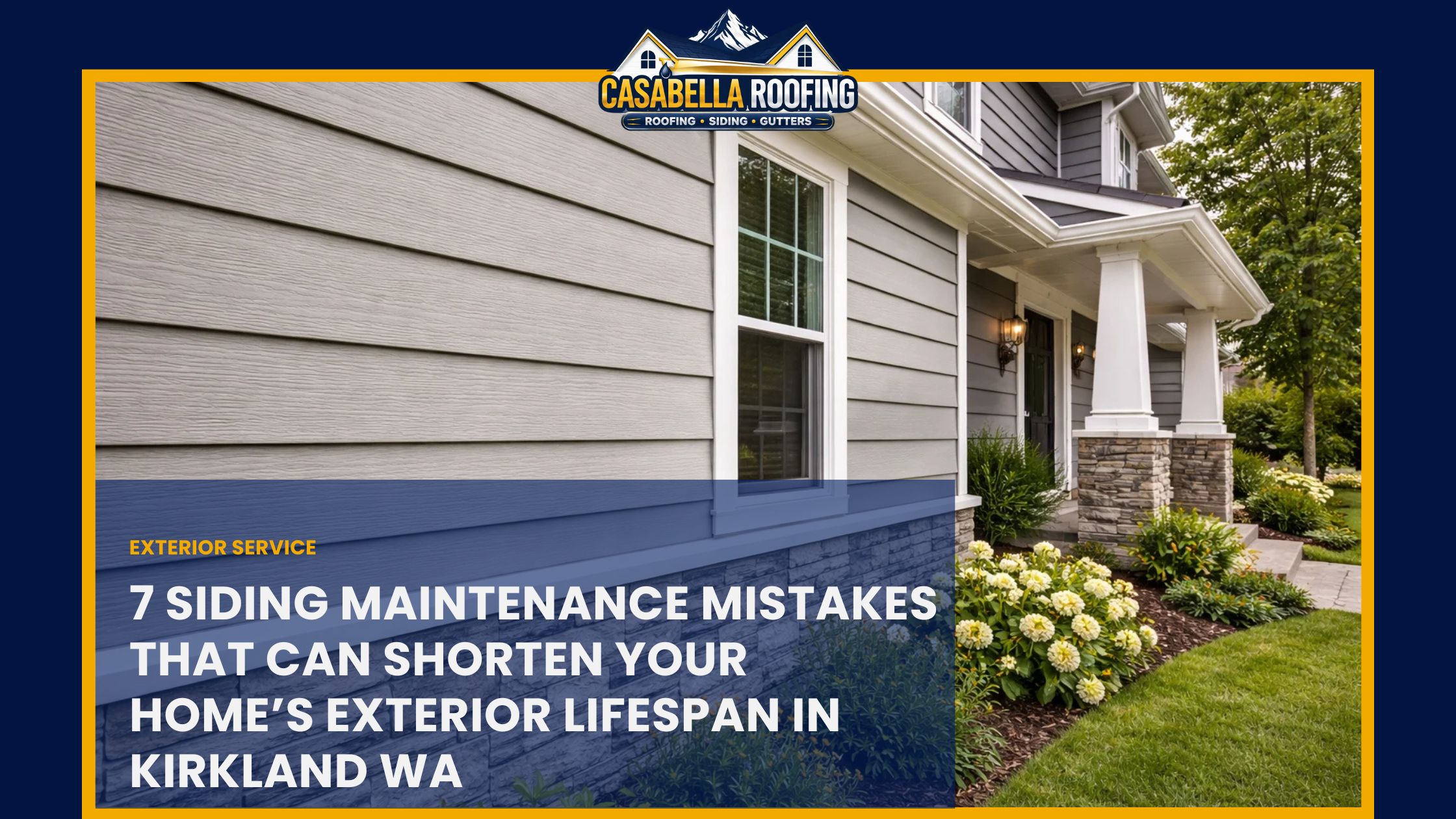
Siding protects homes from rain, wind, and moisture intrusion during severe weather. Damaged or aging siding can expose underlying structures to water infiltration that eventually leads to mold, insulation damage, and structural deterioration.
Homeowners should inspect siding regularly for:
- Cracks or holes
- Loose siding panels
- Warping or fading
- Mold or mildew growth
- Moisture stains
Maintaining siding systems helps improve weather resistance while reducing the need for future storm damage repair after severe weather events.
To strengthen siding protection, homeowners can:
- Replace damaged siding sections
- Reseal vulnerable areas
- Upgrade aging siding materials
- Repaint exposed surfaces
Strong siding systems improve overall home durability while helping protect the interior structure from moisture-related damage.
Trim Trees and Remove Exterior Hazards
Trees and unsecured outdoor objects can become dangerous during storms. Falling branches and airborne debris can damage roofing systems, gutters, siding, and windows during periods of strong wind.
To reduce storm-related hazards, homeowners should:
- Trim overhanging branches
- Remove weakened trees
- Secure patio furniture
- Store outdoor tools safely
- Inspect fences and nearby structures
Preventative tree maintenance helps reduce the likelihood of emergency storm damage repair caused by falling debris.
Homes surrounded by large trees should be inspected regularly before major storm seasons to identify potential risks early.
Prepare an Emergency Roof Repair Plan
Even with proper preparation, storms can still create unexpected damage. Having a plan in place helps homeowners respond quickly and reduce additional structural problems after severe weather.
A storm emergency plan should include:
- Contact information for roofing professionals
- Knowledge of insurance coverage
- Emergency tarping materials
- Photos documenting roof condition
- Safe storage for important belongings
Quick action after storms can help reduce the severity of damage and minimize overall storm damage repair expenses.
Prepared homeowners are often able to respond faster and reduce long-term water intrusion problems after severe weather events.
Schedule Professional Storm Inspections
After major storms, homeowners should schedule professional inspections even if no obvious damage is visible. Some weather-related issues develop beneath roofing materials or inside attic spaces before becoming noticeable.
Professional storm inspections help identify:
- Hidden roof leaks
- Damaged flashing
- Wind-related roof damage
- Moisture intrusion
- Gutter drainage problems
- Structural vulnerabilities
Professional storm damage repair services also help homeowners address problems early before they spread into larger structural issues.
Experienced contractors can recommend preventative upgrades and reinforcement solutions that improve long-term weather resistance.
Improve Roof Ventilation and Drainage
Proper attic ventilation and roof drainage systems help reduce moisture buildup during storms. Poor ventilation can trap humidity inside attic spaces and accelerate roofing deterioration over time.
Homeowners should ensure:
- Roof vents remain unobstructed
- Gutters drain properly
- Downspouts direct water away efficiently
- Attic airflow remains balanced
Improving ventilation and drainage performance helps reduce the likelihood of moisture-related storm damage repair in the future.
These systems work together to protect roofing materials, insulation, and attic spaces during prolonged rainfall and severe weather.
Choose Durable Roofing Materials
Homes exposed to frequent storms benefit from durable roofing materials designed to withstand moisture, wind, and impact damage.
Modern roofing systems may include:
- Impact-resistant shingles
- Waterproof underlayment systems
- Reinforced flashing
- Wind-resistant roofing materials
Investing in stronger roofing materials can reduce future storm damage repair costs while improving overall roof durability.
Homeowners planning future roof replacement projects should discuss weather-resistant roofing options with experienced contractors familiar with Kirkland WA weather conditions.
Signs You May Need Storm Damage Repair
Some storm-related damage may not appear immediately after severe weather. Homeowners should monitor their property for warning signs such as:
- Ceiling water stains
- Missing shingles
- Gutter separation
- Siding cracks
- Water pooling near foundations
- Drafts or attic moisture
These problems may indicate hidden weather-related damage that requires professional storm damage repair before larger structural issues develop.
Addressing minor problems early can help homeowners avoid more expensive restoration projects later.
Additional Tips for Storm-Ready Homes
To improve storm readiness, homeowners should also:
- Inspect the roof after severe weather
- Monitor attic spaces for leaks
- Keep emergency supplies available
- Schedule regular exterior maintenance
- Address small repairs immediately
Preventative maintenance remains one of the most effective ways to reduce emergency storm damage repair expenses while improving long-term home protection.
Conclusion
Protecting your home from severe weather requires proactive preparation, regular maintenance, and quick response after storms occur. From maintaining roofing systems and gutters to strengthening siding and trimming nearby trees, every preventative step helps reduce weather-related risks.
Storm damage repair plays an important role in preserving the safety, durability, and value of homes in Kirkland WA. Homeowners who invest in preventative care and timely inspections are often able to reduce repair costs while improving overall property protection.
Whether preparing before storm season or responding after severe weather, professional storm damage repair services help homeowners protect their investment and maintain long-term peace of mind.